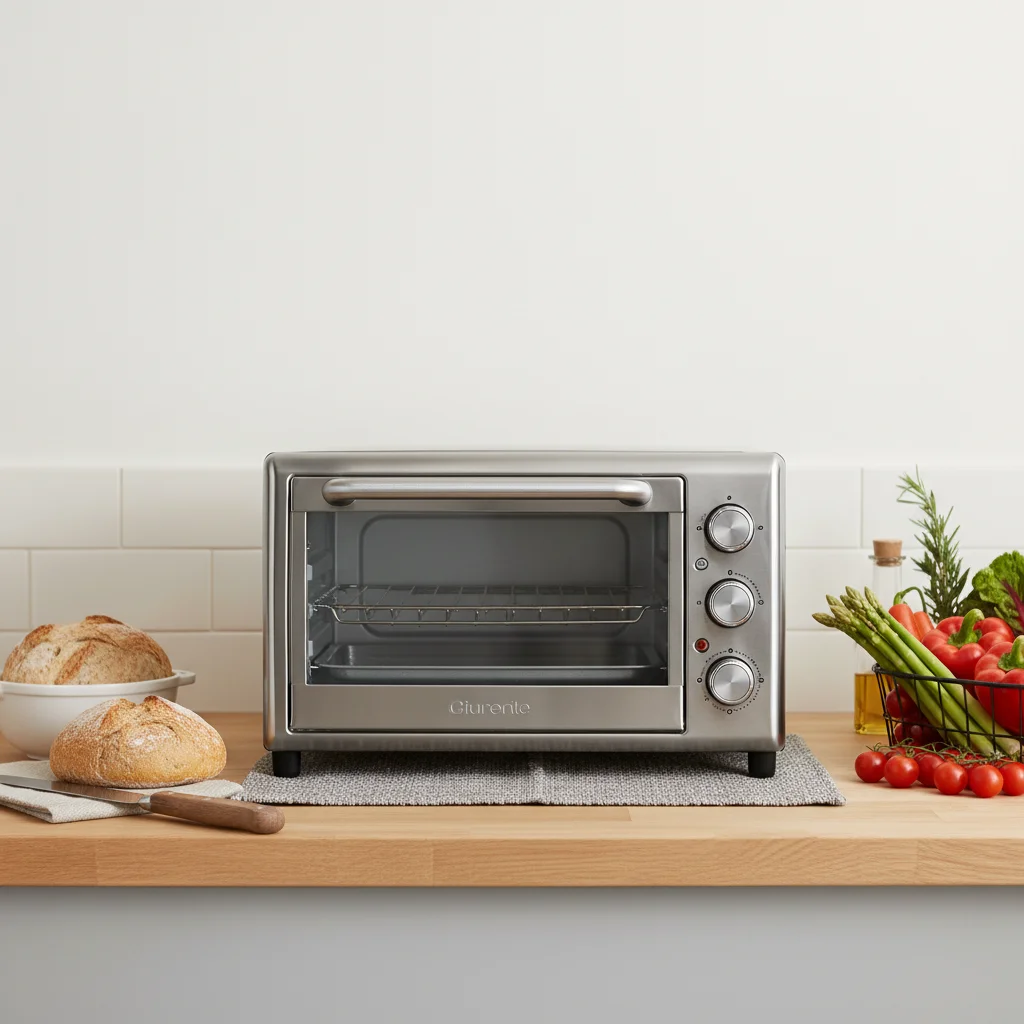
The optimal spot for your toaster oven is on a heat-resistant countertop, positioned at least 4-6 inches away from walls and cabinets, with ample overhead clearance. This placement is crucial for both safety and performance, ensuring proper ventilation, preventing heat damage to surrounding surfaces, and allowing for easy access during use. Considering these factors will help you maximize your appliance’s utility while maintaining a safe cooking environment.
Understanding Ventilation Requirements
Toaster ovens generate significant heat, making proper ventilation non-negotiable. Without adequate airflow, heat can build up, potentially damaging nearby surfaces, increasing fire risk, and even shortening the appliance’s lifespan. Always ensure there’s at least 4-6 inches of clear space on all sides and above the toaster oven. Avoid placing it directly under overhead cabinets, as the heat and steam can cause warping or discoloration over time. If your kitchen layout is tight, consider a model designed for smaller spaces, but never compromise on the required clearances. For shop curated toaster ovens on this site.
Choosing the Right Surface
The surface beneath your toaster oven must be heat-resistant. Countertops made of granite, quartz, or ceramic tile are generally excellent choices. Laminate countertops can be more susceptible to heat damage, so if you have one, consider placing a heat-resistant mat or cutting board underneath the toaster oven. This extra layer of protection will prevent scorching, bubbling, or other heat-related damage to your kitchen surfaces. Always check your toaster oven’s manual for specific surface recommendations.
Avoiding Common Placement Mistakes
|
Our Picks for the Best Toaster Oven in 2026
As an Amazon Associate I earn from qualifying purchases.
|
||
| Num | Product | Action |
|---|---|---|
| 1 | Hamilton Beach 6 Slice Countertop Toaster Oven With Easy Reach Roll-Top Door, Bake, Broil & Toast Functions, Auto Shutoff, Silver (31127D) |

|
| 2 | Hamilton Beach 6 Slice Convection Toaster Oven With Easy Reach Roll-Top Door, Bake, Broil & Toast Functions, Auto Shutoff, Silver (31123DA) |
|
| 3 | BLACK+DECKER TO1313SBD Toaster Oven, 15.47 Inch, Silver |
|
| 4 | Oster 10 Function Air Fryer Oven Toaster Oven Countertop |
|
| 5 | Cuisinart Custom Classic Toaster Oven Broiler, 1800 Watt Countertop Toaster Oven to Bake, Broil, and Toast, Non-Stick Interior, Consistent Toast Control, Brushed Stainless Steel/Black, TOB-40N |
|
| 6 | TOSHIBA AC25CEW-BS Large 6-Slice Convection Toaster Oven Countertop, 10-In-One with Toast, Pizza and Rotisserie, 1500W, Black Stainless Steel, Includes 6 Accessories |
|
| 7 | BLACK+DECKER 4-Slice Toaster Oven with Natural Convection, Stainless Steel, TO1760SS (TO1760SST-1) |
|
| 8 | BLACK+DECKER Crisp 'N Bake Air Fryer Countertop Convection Toaster Oven, Large Capacity, 6-Slice, 5-in-1, Fits 12” Pizza, 60-Min Timer, Bake, Broil, Air Fry, Toast, Keep Warm, Stainless Steel |
|
| 9 | BLACK+DECKER TO3250XSBD 8-Slice Extra Wide Convection Countertop Toaster Oven, Includes Bake Pan, Broil Rack & Toasting Rack, Stainless Steel/Black |
|
| 10 | BLACK+DECKER Crisp 'N Bake Air Fry Countertop Convection Toaster Oven, Medium Capacity, 4-Slice, 5-in-1, Fits 9” Pizza, 30-Min Timer, Bake, Broil, Air Fry, Toast, Keep Warm, Stainless Steel |
|
Several common mistakes can compromise safety and efficiency. Never place your toaster oven near flammable materials like curtains, paper towels, or plastic containers. Keep it away from water sources, such as sinks, to prevent electrical hazards. Additionally, avoid placing it in enclosed spaces like pantries or cabinets, even when not in use, as this can restrict airflow and create a fire hazard if accidentally turned on. A dedicated, clear space is always the best approach.
- Ensure at least 4-6 inches of clearance on all sides and top.
- Place on a heat-resistant countertop (granite, quartz, ceramic).
- Avoid proximity to flammable materials (curtains, paper).
- Keep away from water sources (sinks).
- Do not place in enclosed cabinets or pantries.
Ergonomics and Accessibility
Beyond safety, consider the ergonomics of your toaster oven’s placement. It should be at a comfortable height for you to easily load and unload food, and to operate the controls without straining. Placing it too high or too low can lead to awkward movements and potential spills or burns. Think about your typical workflow in the kitchen; the toaster oven should be easily accessible from your prep area but not obstruct other essential appliances or pathways. A well-placed toaster oven enhances your cooking efficiency and overall kitchen experience. For a versatile model that fits well in most kitchens, consider the.
Power Outlet Considerations
Finally, always ensure your toaster oven is plugged directly into a dedicated wall outlet. Avoid using extension cords or power strips, as these can overheat and pose a fire risk due to the high wattage requirements of most toaster ovens. The outlet should be easily accessible, allowing you to unplug the appliance when not in use or in case of an emergency. Check that the outlet is in good condition and can handle the appliance’s power draw. If you’re looking for a compact option that still delivers great performance, theis a popular choice.
Frequently Asked Questions
What is the safest distance for a toaster oven from walls?
For optimal safety and ventilation, a toaster oven should be placed at least 4-6 inches away from walls and cabinets. This clearance prevents heat buildup that could damage surrounding surfaces or pose a fire hazard.
Can I put my toaster oven on a laminate countertop?
While laminate countertops are susceptible to heat damage, you can place a toaster oven on one if you use a heat-resistant mat or cutting board underneath. This protective layer prevents scorching, bubbling, and other heat-related damage.
Why is proper ventilation important for toaster ovens?
Proper ventilation is crucial for toaster ovens because they generate significant heat. Adequate airflow prevents heat buildup, which can damage nearby surfaces, increase fire risk, and shorten the appliance's lifespan.
Should a toaster oven be plugged into an extension cord?
No, a toaster oven should always be plugged directly into a dedicated wall outlet. Using extension cords or power strips can lead to overheating and pose a fire risk due to the high wattage requirements of most toaster ovens.
What are common mistakes to avoid when placing a toaster oven?
Common placement mistakes include placing the toaster oven near flammable materials like curtains or paper towels, close to water sources like sinks, or in enclosed spaces such as pantries or cabinets. Always ensure a dedicated, clear space.
How to Safely Place Your Toaster Oven
Properly placing your toaster oven ensures safety, optimal performance, and prevents damage to your kitchen. Follow these steps for ideal setup.
Place your toaster oven on a countertop with at least 4-6 inches of clear space on all sides and above. This allows for proper heat dissipation and prevents damage to surrounding cabinets or walls.
Position the toaster oven on a heat-resistant surface such as granite, quartz, or ceramic tile. If using a laminate countertop, place a heat-resistant mat or cutting board underneath to prevent scorching.
Keep the toaster oven away from flammable items like curtains, paper towels, and plastic containers. Also, ensure it is not near water sources like sinks to prevent electrical hazards.
Plug your toaster oven directly into a dedicated wall outlet. Avoid using extension cords or power strips, as their high wattage can cause overheating and fire risks.

The information about heat-resistant countertops was good, but I wish there were more specific suggestions for small kitchens. It’s hard to find 4-6 inches of space on all sides when you barely have any counter to begin with. My Cuisinart toaster oven is great, but finding a safe spot for it is a constant struggle.
I never really thought about the fire risk until now. The explanation about heat buildup and appliance lifespan was a real eye-opener. I’ve always just put my toaster oven wherever it fit, but now I understand why proper placement is so important for safety and performance. Thanks for the detailed breakdown!
I used to just shove my toaster oven into any available corner, but after reading about the ventilation requirements, I totally rearranged my kitchen. The tip about keeping it 4-6 inches from walls and cabinets made a huge difference. Now I feel much safer using it, and it seems to cook more evenly too. Definitely worth the extra counter space!
This was super helpful! I always worried about the heat damaging my cabinets, especially since my old one got really hot on the top. The advice on overhead clearance was exactly what I needed. I ended up moving my Breville Smart Oven to a different spot, and it’s much better now. Wish I’d known this sooner.