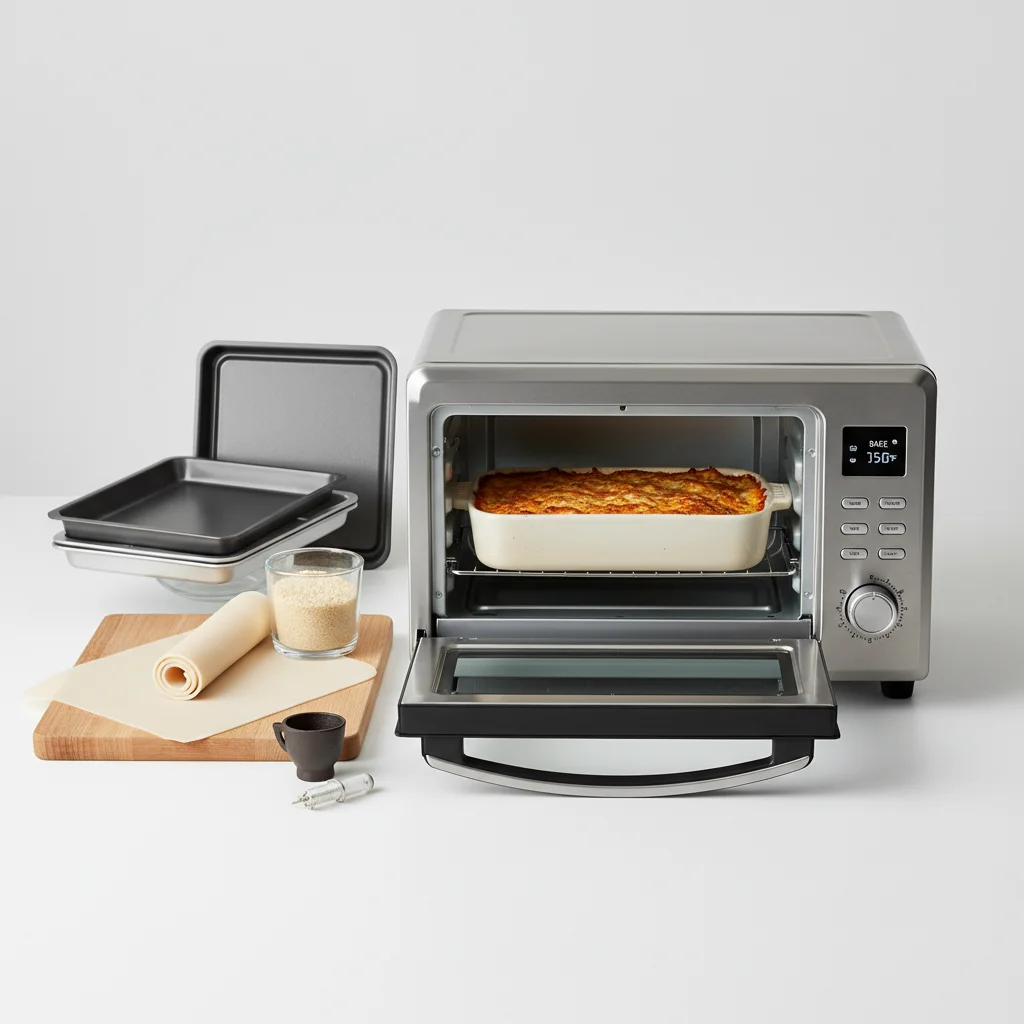
When considering a new toaster oven, understanding the materials used in its construction is crucial for both safety and durability. The safest toaster ovens typically feature interiors made from stainless steel or non-stick coatings free of PFOA and PTFE, while exteriors often utilize stainless steel or heat-resistant plastics. There are three primary material types to focus on for optimal safety and performance.
Stainless Steel: The Durable and Safe Choice
Stainless steel is a popular material for toaster oven interiors and exteriors due to its durability, resistance to corrosion, and ease of cleaning. It’s a non-reactive material, meaning it won’t leach chemicals into your food, even at high temperatures. This makes it an excellent choice for health-conscious consumers. Many high-quality toaster ovens feature a full stainless steel interior, which also contributes to more even heat distribution. When selecting a stainless steel model, look for food-grade stainless steel, often indicated by grades like 304 or 18/8, which signify a higher chromium and nickel content for enhanced rust resistance. For complete toaster ovens library on this site.
Non-Stick Coatings: Convenience with Caution
Non-stick coatings offer the convenience of easy food release and cleanup. However, it’s important to be aware of the types of coatings used. Older non-stick surfaces often contained PFOA (perfluorooctanoic acid) and PTFE (polytetrafluoroethylene), which can release harmful fumes when overheated. Modern toaster ovens increasingly use ceramic-based non-stick coatings or those explicitly labeled as PFOA-free and PTFE-free. These newer formulations are generally considered safer for everyday use. Always check the product specifications to ensure the non-stick coating meets current safety standards. Proper care, such as avoiding metal utensils, will also extend the life of any non-stick surface.
Exterior Materials: Heat Resistance and Aesthetics
|
Our Picks for the Best Toaster Oven in 2026
As an Amazon Associate I earn from qualifying purchases.
|
||
| Num | Product | Action |
|---|---|---|
| 1 | Cuisinart Custom Classic Toaster Oven Broiler, 1800 Watt Countertop Toaster Oven to Bake, Broil, and Toast, Non-Stick Interior, Consistent Toast Control, Brushed Stainless Steel/Black, TOB-40N |

|
| 2 | BLACK+DECKER Crisp 'N Bake Air Fryer Countertop Convection Toaster Oven, Large Capacity, 6-Slice, 5-in-1, Fits 12” Pizza, 60-Min Timer, Bake, Broil, Air Fry, Toast, Keep Warm, Stainless Steel |
|
| 3 | Hamilton Beach 6 Slice Convection Toaster Oven With Easy Reach Roll-Top Door, Bake, Broil & Toast Functions, Auto Shutoff, Silver (31123DA) |
|
| 4 | BLACK+DECKER TO1313SBD Toaster Oven, 15.47 Inch, Silver |
|
| 5 | TOSHIBA AC25CEW-BS Large 6-Slice Convection Toaster Oven Countertop, 10-In-One with Toast, Pizza and Rotisserie, 1500W, Black Stainless Steel, Includes 6 Accessories |
|
| 6 | BLACK+DECKER 4-Slice Toaster Oven with Natural Convection, Stainless Steel, TO1760SS (TO1760SST-1) |
|
| 7 | Hamilton Beach 6 Slice Countertop Toaster Oven With Easy Reach Roll-Top Door, Bake, Broil & Toast Functions, Auto Shutoff, Silver (31127D) |
|
| 8 | BLACK+DECKER Crisp 'N Bake Air Fry Countertop Convection Toaster Oven, Medium Capacity, 4-Slice, 5-in-1, Fits 9” Pizza, 30-Min Timer, Bake, Broil, Air Fry, Toast, Keep Warm, Stainless Steel |
|
| 9 | Oster 10 Function Air Fryer Oven Toaster Oven Countertop |
|
| 10 | BLACK+DECKER TO3250XSBD 8-Slice Extra Wide Convection Countertop Toaster Oven, Includes Bake Pan, Broil Rack & Toasting Rack, Stainless Steel/Black |
|
The exterior of a toaster oven is typically made from stainless steel, painted metal, or heat-resistant plastic. Stainless steel exteriors are durable, easy to clean, and offer a sleek, modern aesthetic that complements most kitchen decors. Painted metal exteriors can come in various colors and finishes, providing more design flexibility. Heat-resistant plastics are often used for handles, knobs, and sometimes parts of the casing, as they remain cool to the touch during operation, enhancing user safety. Regardless of the material, ensure the exterior is well-insulated to prevent excessive heat transfer to surrounding surfaces. A well-designed exterior will also feature clear, easy-to-read controls and a sturdy build.
- Look for PFOA-free and PTFE-free non-stick coatings.
- Prioritize food-grade stainless steel for interiors.
- Ensure exterior materials are heat-resistant and well-insulated.
- Check for certifications from reputable safety organizations.
- Consider models with tempered glass doors for durability and visibility.
Glass and Other Components: What to Consider
Beyond the primary construction materials, other components also play a role in a toaster oven’s safety and performance. The door, for instance, is almost always made of tempered glass, which is designed to withstand high temperatures and resist shattering. Look for double-pane glass doors, as these offer better insulation and keep the exterior cooler. Heating elements are typically made from quartz or nichrome, chosen for their ability to heat up quickly and efficiently. The crumb tray, often removable for easy cleaning, can be made from aluminum or stainless steel. Always ensure all internal components are designed for food contact and high-temperature environments.
Maintenance and Longevity of Materials
The longevity and safety of your toaster oven’s materials also depend on proper maintenance. Regularly cleaning the interior, especially after spills, prevents food residue from baking onto surfaces and potentially affecting material integrity over time. For stainless steel, a simple wipe with a damp cloth is usually sufficient. For non-stick surfaces, use soft sponges and mild detergents to avoid scratching. Avoid harsh abrasive cleaners on any surface, as these can degrade materials and coatings. Following the manufacturer’s cleaning instructions will help preserve the materials and ensure your toaster oven remains safe and functional for years to come.
