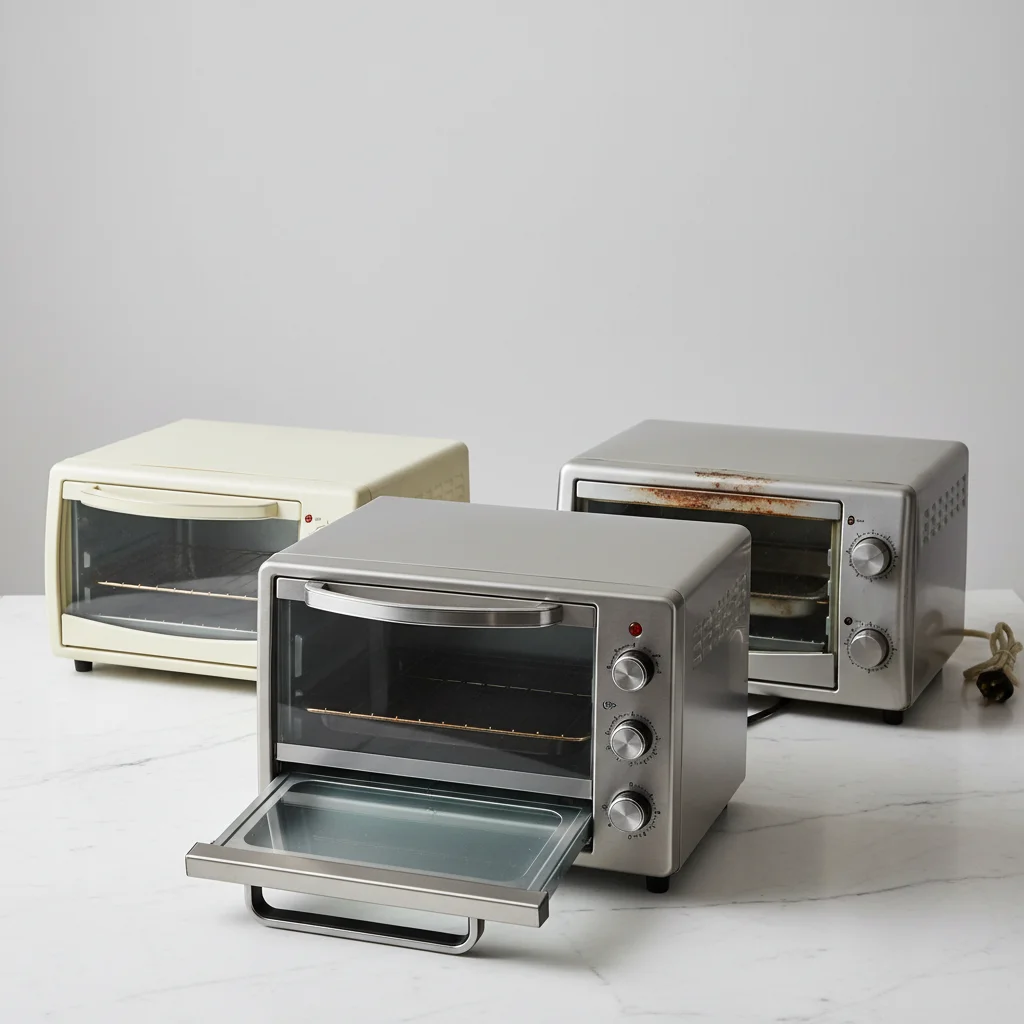
A typical toaster oven lifespan ranges from 3 to 5 years, though some high-quality models can last up to 7 years or more with proper care and maintenance. Several factors influence how long your appliance will serve you, including its build quality, frequency of use, and how well you maintain it.
Factors Affecting Toaster Oven Lifespan
The longevity of your toaster oven isn’t just a matter of luck; it’s a combination of design and user habits. Cheaper models often use less durable components, leading to a shorter operational life. Conversely, premium brands invest in robust materials and better engineering, which translates into years of reliable service.
Frequency of use is another critical factor. An appliance used daily for multiple meals will naturally wear out faster than one used only a few times a week. High-temperature cooking, such as baking or roasting, also puts more strain on the heating elements and internal components compared to simply toasting bread.
Signs Your Toaster Oven is Failing
Recognizing the signs of a failing toaster oven can help you decide whether to repair or replace it. Common indicators include inconsistent heating, where food cooks unevenly or takes much longer than usual. You might also notice unusual noises, such as buzzing or grinding, which could point to issues with the fan or other moving parts.
Visible damage, such as frayed power cords, cracked glass, or excessive rust inside the cavity, are clear warnings. If your toaster oven frequently trips your circuit breaker or emits a burning smell, it’s a strong sign that its internal wiring or heating elements are compromised and it might be time for a replacement.
Extending Your Toaster Oven’s Life
|
Our Picks for the Best Toaster Oven in 2026
As an Amazon Associate I earn from qualifying purchases.
|
||
| Num | Product | Action |
|---|---|---|
| 1 | BLACK+DECKER Crisp 'N Bake Air Fryer Countertop Convection Toaster Oven, Large Capacity, 6-Slice, 5-in-1, Fits 12” Pizza, 60-Min Timer, Bake, Broil, Air Fry, Toast, Keep Warm, Stainless Steel |

|
| 2 | Hamilton Beach 6 Slice Countertop Toaster Oven With Easy Reach Roll-Top Door, Bake, Broil & Toast Functions, Auto Shutoff, Silver (31127D) |
|
| 3 | BLACK+DECKER TO1313SBD Toaster Oven, 15.47 Inch, Silver |
|
| 4 | TOSHIBA AC25CEW-BS Large 6-Slice Convection Toaster Oven Countertop, 10-In-One with Toast, Pizza and Rotisserie, 1500W, Black Stainless Steel, Includes 6 Accessories |
|
| 5 | Hamilton Beach 6 Slice Convection Toaster Oven With Easy Reach Roll-Top Door, Bake, Broil & Toast Functions, Auto Shutoff, Silver (31123DA) |
|
| 6 | BLACK+DECKER Crisp 'N Bake Air Fry Countertop Convection Toaster Oven, Medium Capacity, 4-Slice, 5-in-1, Fits 9” Pizza, 30-Min Timer, Bake, Broil, Air Fry, Toast, Keep Warm, Stainless Steel |
|
| 7 | BLACK+DECKER 4-Slice Toaster Oven with Natural Convection, Stainless Steel, TO1760SS (TO1760SST-1) |
|
| 8 | BLACK+DECKER TO3250XSBD 8-Slice Extra Wide Convection Countertop Toaster Oven, Includes Bake Pan, Broil Rack & Toasting Rack, Stainless Steel/Black |
|
| 9 | Cuisinart Custom Classic Toaster Oven Broiler, 1800 Watt Countertop Toaster Oven to Bake, Broil, and Toast, Non-Stick Interior, Consistent Toast Control, Brushed Stainless Steel/Black, TOB-40N |
|
| 10 | Oster 10 Function Air Fryer Oven Toaster Oven Countertop |
|
Proper maintenance is key to maximizing your toaster oven’s lifespan. Regular cleaning prevents grease and food particles from building up, which can cause overheating and reduce efficiency. Always unplug the appliance before cleaning and use mild, non-abrasive cleaners.
- Clean crumb tray after every use.
- Wipe down interior and exterior surfaces weekly.
- Avoid using metal utensils inside the oven to prevent scratching.
- Ensure proper ventilation around the unit.
- Do not overload the oven beyond its recommended capacity.
Additionally, avoid sudden temperature changes and allow the oven to cool down naturally after use. Overloading the oven or using it for tasks it wasn’t designed for can also shorten its life. Consider investing in a surge protector to safeguard against electrical fluctuations.
When to Replace Your Toaster Oven
Deciding when to replace your toaster oven often comes down to a cost-benefit analysis. If the repair cost approaches or exceeds the price of a new unit, replacement is usually the more economical choice. For example, replacing a major component like a heating element or control board can be expensive.
Safety concerns should always take precedence. If your toaster oven poses an electrical hazard, such as sparking or smoking, it’s imperative to replace it immediately. Modern toaster ovens also offer improved energy efficiency and advanced features, making an upgrade worthwhile even if your old unit is still technically functional. Many newer models come with features like air frying, convection baking, and smart controls that can enhance your cooking experience and save you money on energy bills in the long run.
Choosing a Durable Replacement
When selecting a new toaster oven, prioritize models known for their durability and reliability. Look for brands with good customer reviews and a reputation for quality construction. Stainless steel interiors and exteriors tend to be more robust and easier to clean than painted surfaces.
Consider the warranty offered by the manufacturer; a longer warranty often indicates confidence in the product’s longevity. Features like precise temperature control and even heating also contribute to a better cooking experience and can prevent premature wear on components. Investing a bit more upfront in a well-built appliance can save you money and frustration in the long run.
Frequently Asked Questions
What factors determine how long a toaster oven will last?
A toaster oven's longevity is primarily determined by its build quality, frequency of use, and the level of maintenance it receives. High-quality models with robust materials and less frequent use tend to last longer, often exceeding 5 years.
What are the common signs that a toaster oven is failing?
Common signs of a failing toaster oven include inconsistent heating, unusual noises like buzzing or grinding, and visible damage such as frayed cords or rust. A burning smell or frequent circuit breaker trips also indicate internal issues.
How can I extend the life of my toaster oven?
To extend your toaster oven's life, perform regular cleaning of the crumb tray and surfaces, avoid metal utensils, ensure proper ventilation, and do not overload it. Allowing the oven to cool naturally and using a surge protector can also help.
When is it more economical to replace a toaster oven than repair it?
It is generally more economical to replace a toaster oven when the repair cost approaches or exceeds the price of a new unit. Replacing major components like heating elements or control boards can be expensive, making a new purchase a better value.
What features should I look for in a durable replacement toaster oven?
When choosing a durable replacement, look for models from reputable brands with good customer reviews and a longer warranty. Stainless steel interiors and exteriors, precise temperature control, and even heating contribute to longevity and performance.
Extend Your Toaster Oven's Life
Maximize the lifespan of your toaster oven by following these essential maintenance and usage tips.
After every use, remove and clean the crumb tray to prevent food particle buildup. This reduces the risk of overheating and maintains efficiency, ensuring your toaster oven operates safely.
Unplug the appliance and use mild, non-abrasive cleaners to wipe down the interior and exterior surfaces weekly. This prevents grease accumulation and keeps the unit hygienic and functional.
Do not use metal utensils inside the oven to prevent scratching the non-stick coating or heating elements. Also, avoid overloading the oven beyond its recommended capacity, as this strains components and shortens its life.
Always ensure there is adequate space around the toaster oven for proper ventilation. This prevents heat buildup, which can damage internal components and reduce the appliance's overall lifespan.
Consider plugging your toaster oven into a surge protector to safeguard it from sudden electrical fluctuations. This can prevent damage to sensitive electronic components and extend the unit's operational life.

Spot on about frequency of use! My old Cuisinart toaster oven lasted me a solid 7 years, but I only used it a few times a week for things like bagels and frozen pizzas. My sister uses hers multiple times a day and hers died after 4 years. It really does make a difference how often you fire it up.
Good info here. My last cheap toaster oven only lasted about 2.5 years before the heating elements started acting up. It was one of those under-$50 models, so I guess I got what I paid for. This time I invested a bit more, hoping to get closer to that 5-7 year range mentioned for better quality units. So far, so good!
I found this helpful, but I wish there was more specific advice on what ‘proper care and maintenance’ actually entails. My current toaster oven is only 3 years old and already seems to be on its last legs, even though I don’t use it for high-temperature roasting very often. Maybe I’m just not cleaning it right.
I’ve had my Breville toaster oven for almost 6 years now, and it’s still going strong! I definitely agree with what was said about premium brands. I use it almost daily for toast, reheating leftovers, and even baking small batches of cookies. Taking the time to clean it regularly really seems to make a difference in its longevity.