The best stainless steel toaster ovens for a rust-free kitchen are models like the Breville Smart Oven Pro (BOV845BSS) and Cuisinart TOB-260N1 Chef’s Convection, which are renowned for their robust construction and often feature high-quality stainless steel interiors. These appliances offer superior durability and resistance to corrosion compared to models with coated interiors, ensuring a longer lifespan in moisture-prone kitchen environments.
Understanding Toaster Ovens: Why Stainless Steel is a Smart Choice
A toaster oven is more than just an oversized toaster; it’s a compact countertop appliance capable of baking, broiling, roasting, and toasting. It offers a convenient alternative to heating up a large conventional oven, saving both time and energy for smaller meals or quick snacks. For those with limited kitchen space, busy individuals, or smaller households, a toaster oven can be a true culinary major upgrade.
Opting for a stainless steel toaster oven brings several distinct advantages. Beyond their sleek, modern aesthetic that complements any kitchen décor, stainless steel appliances are celebrated for their inherent durability and hygienic properties. Unlike coated interiors that can chip or wear down over time, a high-quality stainless steel interior offers a robust, easy-to-clean surface. Crucially, stainless steel provides superior rust resistance, making it an excellent choice for a hard-working appliance exposed to heat, moisture, and food residues daily.
Decoding Stainless Steel: 304 vs. 430 Grades and Rust Prevention
It’s a common misconception that “stainless steel” means “rust-proof.” In reality, stainless steel is rust-resistant thanks to a protective, invisible layer of chromium oxide that forms on its surface. This passive layer acts as a barrier, safeguarding the underlying steel from corrosion. However, this protective layer can be compromised by harsh chemicals, abrasive cleaning tools, scratches, or prolonged exposure to moisture and corrosive substances like salt, leading to rust formation. Understanding the grade of stainless steel used in your appliance is key to its longevity.
The two most common grades of stainless steel found in kitchen appliances are 304 and 430, and their differences significantly impact rust resistance. 304 stainless steel is an austenitic grade, typically containing about 18-20% chromium and 8-10.5% nickel. The inclusion of nickel vastly enhances its corrosion resistance, particularly against acids and salty environments. This grade is highly durable, often non-magnetic, and considered food-grade, making it ideal for the internal cooking cavities and food-contact surfaces of premium appliances. It boasts a robust, self-healing oxide film, providing superior protection against pitting and staining.
In contrast, 430 stainless steel is a ferritic grade, containing 16-18% chromium but very little to no nickel (typically less than 0.75%). While more cost-effective, this lack of nickel makes it less resistant to corrosion, especially in acidic or salty conditions, and more prone to pitting. You’ll often find 430 stainless steel used for external trim or less critical components where aesthetics and magnetism (as 430 is magnetic) are prioritized over maximum corrosion resistance. For ultimate durability and a truly rust-resistant toaster oven, especially for its interior, aiming for models utilizing 304-grade stainless steel is highly recommended, though manufacturers don’t always specify the grade.
Top Stainless Steel Toaster Ovens: Models Engineered for Durability
When seeking a stainless steel toaster oven that stands the test of time and resists rust, certain models consistently rise to the top, praised for their robust construction and performance. These appliances often feature high-quality stainless steel, sometimes even for their interior cavities, which significantly contributes to their long-term durability. Here’s a look at some of the best options currently available:
| Brand | Model | Key Functions | Interior Material | Special Durability Notes |
|---|---|---|---|---|
| Breville | Smart Oven Pro (BOV845BSS) | Toast, Bake, Roast, Broil, etc. | Stainless Steel | Premium construction, often with fully stainless steel interior. |
| Cuisinart | TOB-260N1 Chef’s Convection | Convection Bake/Broil, Warm, etc. | Stainless Steel | Known for robust build and a long 3-year warranty. |
| Breville | Smart Oven Air Fryer Pro (BOV900BSS) | Air Fry, Toast, Bake, Roast, Dehydrate | Stainless Steel | Large capacity, high-performance air frying, durable stainless finish. |
| Cuisinart | TOA-60 Air Fryer Toaster Oven | Air Fry, Convection Bake, Broil | Stainless Steel (exterior/some interior components) | A popular hybrid model, offering good value and a solid warranty. |
| Ninja | Foodi Digital Air Fry Oven (SP101) | Air Fry, Air Roast, Bake, Toast | Stainless Steel & Aluminum | Space-saving design, strong air frying, durable materials. |
The Breville Smart Oven Pro (BOV845BSS) is frequently cited for its premium stainless durability and exceptional performance across various cooking functions. It often features a stainless steel interior cavity, reducing concerns about coatings wearing down over time. Similarly, the Cuisinart TOB-260N1 Chef’s Convection is a strong contender, offering a long warranty that speaks to its manufacturer’s confidence in its lasting quality. For those needing more capacity and air frying capabilities, the Breville Smart Oven Air Fryer Pro (BOV900BSS) combines versatility with high-end stainless steel construction.
> “Choosing a toaster oven with a fully stainless steel interior can make a significant difference in its longevity and resistance to wear, chipping, and potential rust compared to models with non-stick coatings.” – ReviewHomie Expert, Toaster Oven Specialist.
For budget-conscious buyers, the Cuisinart TOA-60 Air Fryer Toaster Oven offers a robust hybrid option, blending toaster oven functions with air frying capabilities, and typically comes with a reassuring warranty. The Ninja Foodi Digital Air Fry Oven (SP101) is another excellent choice, particularly for its space-saving design and effective air frying performance, utilizing a combination of stainless steel and aluminum.
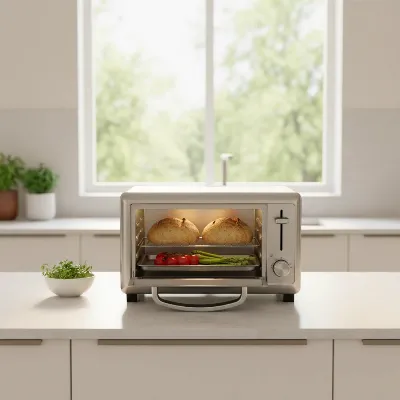 A sleek stainless steel toaster oven prominently displayed on a modern kitchen counter with various food items ready to be cooked
How to Select Your Ideal Rust-Resistant Toaster Oven
Choosing the perfect stainless steel toaster oven involves more than just picking the first shiny model you see. Thoughtful consideration of your needs and key features will ensure you invest in an appliance that performs well and resists rust for years.
Assess Your Cooking Habits and Kitchen Space
|
Our Picks for the Best Toaster Oven in 2026
As an Amazon Associate I earn from qualifying purchases.
|
||
| Num | Product | Action |
|---|---|---|
| 1 | Cuisinart Custom Classic Toaster Oven Broiler, 1800 Watt Countertop Toaster Oven to Bake, Broil, and Toast, Non-Stick Interior, Consistent Toast Control, Brushed Stainless Steel/Black, TOB-40N |

|
| 2 | BLACK+DECKER TO1313SBD Toaster Oven, 15.47 Inch, Silver |
|
| 3 | BLACK+DECKER Crisp 'N Bake Air Fry Countertop Convection Toaster Oven, Medium Capacity, 4-Slice, 5-in-1, Fits 9” Pizza, 30-Min Timer, Bake, Broil, Air Fry, Toast, Keep Warm, Stainless Steel |
|
| 4 | Hamilton Beach 6 Slice Convection Toaster Oven With Easy Reach Roll-Top Door, Bake, Broil & Toast Functions, Auto Shutoff, Silver (31123DA) |
|
| 5 | Hamilton Beach 6 Slice Countertop Toaster Oven With Easy Reach Roll-Top Door, Bake, Broil & Toast Functions, Auto Shutoff, Silver (31127D) |
|
| 6 | BLACK+DECKER TO3250XSBD 8-Slice Extra Wide Convection Countertop Toaster Oven, Includes Bake Pan, Broil Rack & Toasting Rack, Stainless Steel/Black |
|
| 7 | TOSHIBA AC25CEW-BS Large 6-Slice Convection Toaster Oven Countertop, 10-In-One with Toast, Pizza and Rotisserie, 1500W, Black Stainless Steel, Includes 6 Accessories |
|
| 8 | BLACK+DECKER 4-Slice Toaster Oven with Natural Convection, Stainless Steel, TO1760SS (TO1760SST-1) |
|
| 9 | BLACK+DECKER Crisp 'N Bake Air Fryer Countertop Convection Toaster Oven, Large Capacity, 6-Slice, 5-in-1, Fits 12” Pizza, 60-Min Timer, Bake, Broil, Air Fry, Toast, Keep Warm, Stainless Steel |
|
| 10 | Oster 10 Function Air Fryer Oven Toaster Oven Countertop |
|
Start by evaluating how you plan to use your toaster oven. Do you mainly need it for simple toast and reheating, or are you looking for a more versatile appliance capable of baking, roasting, or even air frying? The range of functions can vary significantly between models. Consider the number of people you typically cook for, as this will dictate the ideal capacity. A compact model might suffice for a single person or small apartment, while a larger unit is better suited for families or frequent entertaining. Finally, set a realistic budget, understanding that higher-quality stainless steel and advanced features often come with a higher price tag.
Essential Features for Longevity and Performance
Beyond basic functionality, several features contribute to a toaster oven’s durability and rust resistance:
- Stainless Steel Grade: If possible, look for specifications indicating 304-grade stainless steel, especially for interior components. While often not explicitly stated, brands known for premium appliances are more likely to use higher-grade materials.
- Interior Cavity Material: Prioritize models that boast a fully stainless steel interior rather than those with non-stick coatings. Coatings can degrade over time, revealing the underlying metal which may be susceptible to rust or uneven heating.
- Power and Cooking Functions: Convection technology, which uses a fan to circulate hot air, ensures more even cooking and can speed up meal preparation. Air frying capabilities are increasingly popular, offering healthier crisping results.
- Controls: Digital controls often provide precise temperature and time settings, while mechanical dials can be simpler to operate but less accurate.
- Ease of Cleaning: Removable crumb trays and non-stick internal surfaces (if high quality and durable) simplify maintenance, which is crucial for preventing rust.
- Safety Features: Look for cool-touch exteriors and automatic shut-off functions for peace of mind.
Research Reviews and Compare Prices
Before making a final decision, dedicate time to reading user reviews. Pay close attention to comments regarding long-term durability, any reports of rust, and overall satisfaction with the appliance’s performance over time. Look for consistent positive feedback on how the stainless steel holds up to daily use and cleaning. Compare prices across different retailers, both online and in-store, to ensure you’re getting the best deal. to check the warranty offered by the manufacturer, as a longer warranty often signifies greater confidence in the product’s quality and lifespan.
Maximizing Your Toaster Oven’s Lifespan: Care and Rust Prevention
Even the best stainless steel toaster oven requires proper care to maintain its pristine appearance and prevent rust. While stainless steel is inherently resistant, it’s not immune, and regular maintenance is key to preserving its protective layer.
Daily Practices: The most crucial step is simple: clean your appliance regularly. After each use, especially if food has spilled or splattered, wipe down both the interior and exterior with a soft cloth dampened with mild soap or dish detergent and warm water. Following cleaning, always thoroughly dry all stainless steel surfaces with a clean, soft cloth. Wiping away any standing water immediately is essential, as prolonged moisture exposure is a leading cause of rust on stainless steel.
Avoiding Damage: To protect the chromium oxide layer that gives stainless steel its rust resistance, avoid using harsh cleaning agents such as bleach, chloride-containing cleaners, ammonia, or alcohol. These chemicals can break down the protective film. Similarly, steer clear of abrasive cleaning tools like steel wool, harsh scouring pads, or stiff wire brushes, which can scratch the surface and allow rust to form. Always clean with the grain of the stainless steel to avoid micro-scratches and maintain its luster.
Addressing Rust Spots: If you do notice small rust spots, don’t panic. You can often remove them using gentle, non-abrasive methods. A paste made from baking soda and water (or a few drops of vinegar) can be applied to the rust spot, left for a few minutes, then gently scrubbed with a soft cloth in the direction of the grain until the spot disappears. Another effective, chemical-free option is a paste of cream of tartar and lemon juice. After removing the rust, rinse the area with clean water and dry thoroughly.
Maintaining the Finish: For an added layer of protection and shine, you can routinely wipe down your stainless steel toaster oven with a specialized stainless steel cleaner and polish or even a little mineral oil. These products help repel fingerprints and minor smudges while providing a light protective coating.
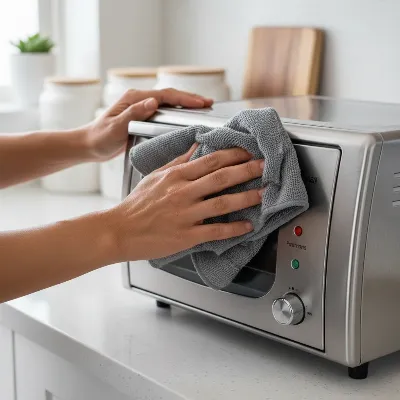 A person gently wiping the stainless steel exterior of a toaster oven with a soft microfiber cloth
A high-quality stainless steel toaster oven is a valuable investment for any kitchen, offering versatility, efficiency, and a sleek aesthetic. While the “stainless” moniker might suggest invincibility, understanding that these appliances are rust-resistant rather than rust-proof is crucial. By choosing models known for their robust construction and embracing a diligent cleaning and maintenance routine, you can significantly extend your toaster oven’s lifespan, ensuring it remains a functional and attractive centerpiece in your kitchen for many years to come. Which stainless steel toaster oven will become the next rust-free star of your countertop?
Frequently Asked Questions
Is “stainless steel” truly rust-proof?
No, stainless steel is rust-resistant, not rust-proof. Its protective chromium oxide layer can be damaged by harsh chemicals, abrasions, or prolonged exposure to moisture and corrosive agents, leading to rust formation.
How can I identify high-quality stainless steel in a toaster oven?
High-quality stainless steel, like 304 grade, contains nickel, which enhances its corrosion resistance. While manufacturers don’t always specify the grade, look for models from reputable brands known for durability, and prioritize those that explicitly mention a fully stainless steel interior cavity over coated ones.
What household products can damage stainless steel and cause rust?
Avoid using cleaners containing bleach, chlorides, ammonia, or alcohol, as these can break down the protective layer on stainless steel. Abrasive tools like steel wool or harsh scrubbing pads can also scratch the surface, making it vulnerable to rust.
Can I repair rust spots on my stainless steel toaster oven?
Yes, minor rust spots can often be removed. Gentle pastes made from baking soda and water/vinegar, or cream of tartar and lemon juice, can be applied and gently scrubbed with a soft cloth in the direction of the grain. Always rinse and dry thoroughly afterward.
How often should I clean my stainless steel toaster oven to prevent rust?
It’s best practice to wipe down your stainless steel toaster oven after each use, especially if there are spills or splatters. Always ensure surfaces are thoroughly dried immediately after cleaning to prevent moisture from causing rust.
How to Select Your Ideal Rust-Resistant Toaster Oven
Choosing the perfect stainless steel toaster oven involves thoughtful consideration of your needs and key features to ensure you invest in an appliance that performs well and resists rust for years.
Evaluate how you plan to use your toaster oven, considering functions like baking, roasting, or air frying. Determine the ideal capacity based on the number of people you cook for, and set a realistic budget for your purchase.
Prioritize models with 304-grade stainless steel, especially for interior components, and a fully stainless steel interior cavity over non-stick coatings. Look for convection technology, precise digital controls, and easy-to-clean features like removable crumb trays.
Read user reviews for feedback on long-term durability and rust resistance. Compare prices across different retailers and check the manufacturer's warranty, as a longer warranty often indicates higher product quality.

I got a stainless steel model from a brand not mentioned here, hoping for the best. While it does toast well and hasn’t rusted yet, I find the controls a bit fiddly. It’s not as intuitive as I’d hoped for quick snacks, and the preheat time feels a little long sometimes. It gets the job done, but I might look into one of the higher-end models next time for better user experience.
The Cuisinart TOB-260N1 Chef’s Convection is a solid choice. I appreciate the convection feature for roasting vegetables evenly, and it really does save me from heating up my big oven for dinner. My only minor gripe is that the exterior can get a bit smudgy with fingerprints, but a quick wipe down fixes it. Overall, very happy with its performance and the rust-free promise.
As someone with limited kitchen space, a good toaster oven is essential. I went with one of the recommended stainless steel options and it’s been perfect for everything from broiling chicken to making morning bagels. It’s so much more versatile than just a regular toaster and I love not having to worry about corrosion. It’s truly a compact powerhouse.
I’ve been using the Breville Smart Oven Pro for about a month now, and it’s fantastic! I was really tired of my old toaster oven rusting out, especially in our humid climate. The stainless steel interior on this one is a game-changer, and it heats up so quickly for baking small batches of cookies or just making toast. Definitely worth the investment for the durability.